


Introduction
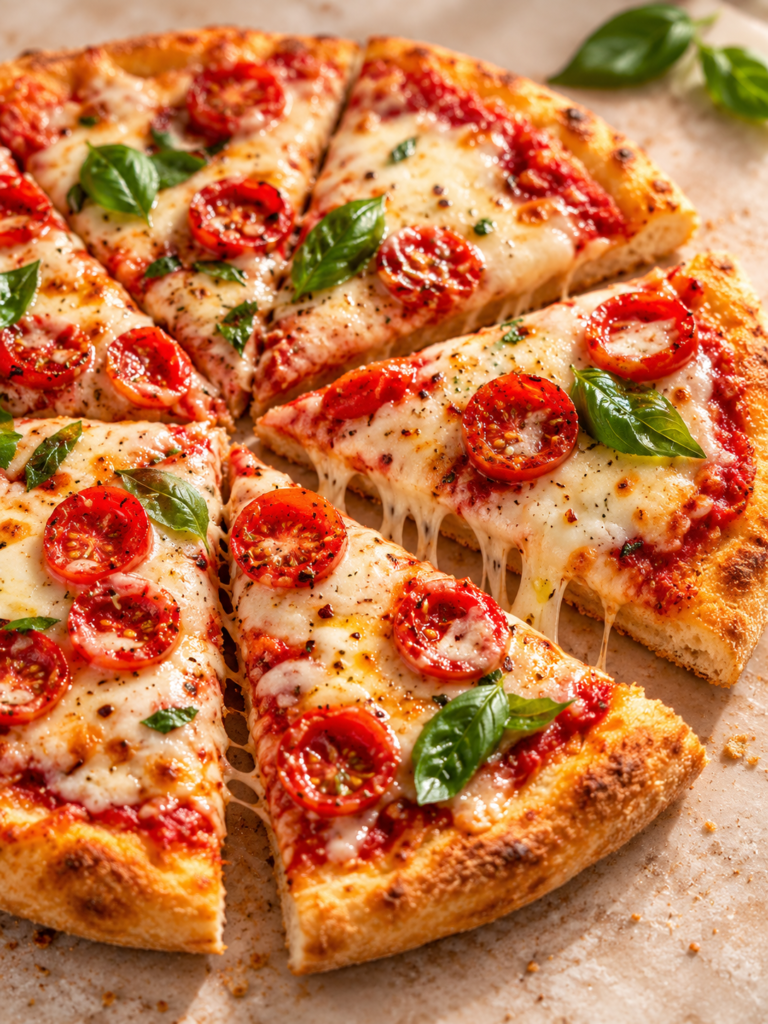
Cottage Cheese Pizza Crust is a simple, protein-packed alternative to traditional pizza dough. Made with cottage cheese, eggs, mozzarella, and a little flour, this homemade crust bakes into a tender, cheesy base that is sturdy enough to hold your favorite pizza toppings.
Whether you’re looking for a high-protein lunch, an easy weeknight dinner, or a fun way to enjoy pizza with a different crust, this recipe is a fantastic option. The cottage cheese adds moisture and protein, while the eggs help bind everything together. A little mozzarella gives the crust a delicious cheesy flavor and lightly golden edges.
Best of all, you don’t need yeast, lengthy kneading, or rising time. Simply blend, mix, spread, bake, add toppings, and bake again.
Origin Information
Cottage Cheese Pizza Crust is a modern home-cooking variation inspired by high-protein recipes and alternative pizza bases. Cottage cheese has become a popular ingredient in contemporary cooking because it provides protein and a creamy texture that works in both savory and sweet dishes.
Unlike traditional Italian pizza dough, which relies on flour, yeast, and fermentation, this version uses cottage cheese and eggs to create a quick-baking crust. It is a modern recipe rather than a traditional regional dish.
Also Check Out: 30-Day High-Protein Meal Plan: Complete Weight Loss Meal Prep Guide with 120 Recipes
Tips
- Blend the cottage cheese: Blending creates a smoother mixture and helps prevent noticeable curds in the finished crust.
- Drain excess liquid: If your cottage cheese is especially watery, drain it briefly before blending.
- Spread the batter evenly: Aim for a consistent thickness so the center cooks at the same rate as the edges.
- Bake the crust before adding toppings: This helps the base firm up and prevents a soggy pizza.
- Use parchment paper: It makes the crust easier to remove from the baking sheet.
- Don’t overload the pizza: Too much sauce, cheese, or watery vegetables can soften the crust.
- Let it rest: Allow the crust to cool for a few minutes before slicing so it holds together better.
- Try a second bake: After adding toppings, return the pizza to the oven until the cheese melts and the edges turn golden.

Storage Information
Store leftover baked pizza crust or finished pizza in an airtight container in the refrigerator for up to 3–4 days.
For the best texture, reheat slices in an oven or air fryer at 350°F (175°C) until warmed through. A skillet can also help crisp the bottom. Microwaving works, but the crust may become softer.
To freeze, bake the crust until fully set, cool completely, and wrap it tightly. Freeze for up to 2 months for best quality. Thaw in the refrigerator or use from frozen with additional baking time as needed. Add toppings before the final bake.
Ingredient Notes
Cottage Cheese: The main ingredient, providing moisture, protein, and a creamy texture. Regular or low-fat cottage cheese works well. Blending it produces a smoother crust.
Eggs: Bind the ingredients and help the crust hold together. They also provide structure and additional protein.
Shredded Mozzarella: Adds cheesy flavor and helps the crust develop a golden surface. Low-moisture mozzarella is especially useful for controlling excess moisture.
All-Purpose Flour: Provides structure and makes the crust easier to handle. A suitable gluten-free flour blend may work, although the texture can differ.
Baking Powder: Helps the crust rise slightly and creates a lighter texture.
Garlic Powder: Adds savory flavor that pairs well with pizza sauce and toppings.
Italian Seasoning: A blend of dried herbs that gives the crust a classic pizza-inspired aroma.
Salt: Enhances the flavor, but use it sparingly because cottage cheese and mozzarella may already contain plenty of sodium.
Olive Oil: Optional for lightly brushing the edges before the final bake, helping them brown and develop extra flavor.
Serving Instructions
- With A Fresh Salad: Pair with a green salad, cucumber, tomatoes, and a light vinaigrette.
- With Garlic Dip: Serve with a small bowl of garlic yogurt dip or your favorite pizza dipping sauce.
- As A High-Protein Meal: Add cooked chicken, lean beef, or turkey as a topping.
- With Roasted Vegetables: Serve alongside roasted broccoli, zucchini, or bell peppers.
- As Individual Pizzas: Divide the batter into smaller rounds and adjust the baking time as needed.
- For Meal Prep: Bake the crust ahead, refrigerate it, and add toppings when ready to reheat and serve.
Cottage Cheese Pizza Crust
Description
A quick, high-protein pizza crust made with blended cottage cheese, eggs, mozzarella, and flour. It bakes into a cheesy, savory base that is easy to customize with your favorite toppings.
Ingredients
For The Crust
Optional Pizza Toppings
Instructions
Preheat The Oven
-
Preheat the oven to 400°F (200°C). Line a large baking sheet with parchment paper.
-
If you prefer a slightly crispier base, use a preheated pizza stone or a suitable oven-safe baking surface, taking care to use parchment only within its temperature rating.
Blend The Cottage Cheese
-
Add the cottage cheese and eggs to a blender or food processor. Blend until the mixture is mostly smooth.
-
This step helps create a more even crust texture and distributes the cottage cheese throughout the batter.
Mix The Crust Ingredients
-
Transfer the blended mixture to a mixing bowl. Add the mozzarella, flour, baking powder, garlic powder, Italian seasoning, salt, and optional black pepper.
-
Stir until a thick, spreadable batter forms. The mixture will be softer and wetter than traditional pizza dough; this is normal.
Shape The Crust
-
Spread the mixture onto the prepared baking sheet, forming a round or rectangular crust about ¼ inch thick.
-
Keep the thickness as even as possible. Avoid making the center too thick, as it may take longer to cook through.
Bake The Base
-
Bake for 18–22 minutes, or until the crust looks set, lightly golden, and firm enough to lift at the edges.
-
If the center still looks wet, continue baking for a few minutes. The exact time will depend on the moisture content of the cottage cheese and the thickness of the crust.
Add The Toppings
-
Remove the crust from the oven and let it rest briefly. Spread a thin layer of pizza sauce over the surface, leaving a small border around the edges.
-
Add mozzarella and your chosen toppings. Pre-cook vegetables that release a lot of moisture, such as mushrooms, if needed.
Bake Again
-
Return the pizza to the oven for another 7–10 minutes, until the cheese has melted and the toppings are hot.
-
For a more golden finish, briefly use the broiler while watching carefully to prevent burning.
Rest And Slice
-
Allow the pizza to rest for 3–5 minutes before slicing. This helps the crust firm up and makes serving easier.
-
Cut into four portions and serve warm.
Nutrition Facts
- Amount Per Serving
- Calories 170kcal
- % Daily Value *
- Total Fat 7g11%
- Sodium 430mg18%
- Total Carbohydrate 12g4%
- Dietary Fiber 3g12%
- Sugars 2g
- Protein 14g29%
* Percent Daily Values are based on a 2,000 calorie diet. Your daily value may be higher or lower depending on your calorie needs.
Note
Tools
- Blender or food processor
- Large mixing bowl
- Measuring cups and spoons
- Baking sheet
- Parchment paper
- Rubber spatula or spoon
- Pizza cutter or sharp knife
- Oven mitts
- Cooling rack, optional
